


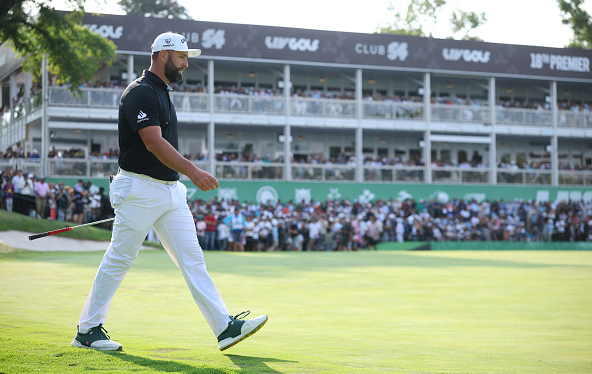
In an era when professional golf’s old guard clung desperately to its century-old monopoly, a brash, Saudi-backed upstart — ironically led by a golf legend nicknamed “The Shark” — burst onto the scene in 2022 with a promise of disruption.
Critics sneered. The media scoffed. Rory McIlroy famously declared the new tour “dead in the water.”
The PGA Tour, long accustomed to unchallenged dominance, branded LIV Golf an existential threat and responded with legal maneuvers, player suspensions, and a full-court press of institutional outrage.

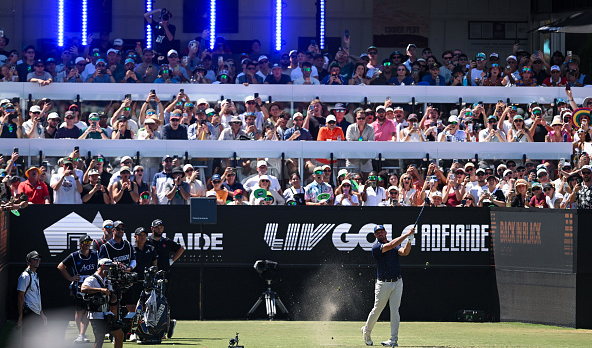
Yet here we stand, four years later, April 2026, with LIV Golf not merely surviving but thriving as an Official World Golf Ranking’s accredited tour, staging traditional 72-hole stroke-play events and delivering world-class talent to a genuinely global schedule that the PGA Tour has never matched.
The PGA Tour had spent decades ruling its ecosystem with an iron fist: lucrative TV deals, ironclad partner loyalty, and a calendar that kept the game’s biggest stars tethered to weekends in the United States.
LIV’s arrival shattered that comfort. It offered guaranteed contracts, massive purses, and a format that prioritized the fan experience. The backlash was immediate and ferocious. Headlines painted LIV as little more than a sportswashing vehicle; pundits dismissed its team format and 54-hole shotgun starts as gimmicks unworthy of “real” golf.

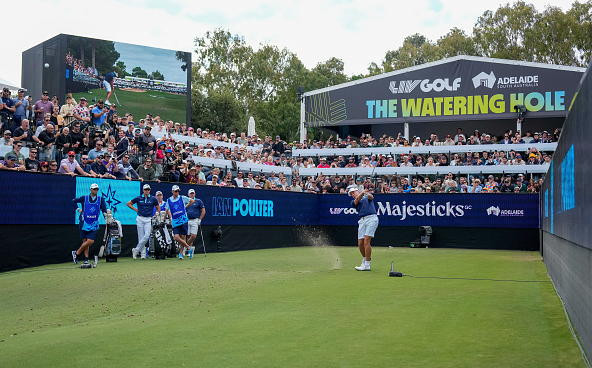
Golf’s establishment circled the wagons, with some of the PGA Tour’s top players even publicly shaming defectors — one-time friends and colleagues.
Yet LIV refused to fold. It doubled down on its vision, evolving rapidly in response to legitimate critiques. By the 2026 season, the league had a new CEO in Scott O’Neil, softened its brash marketing (“Golf But Louder” is out, “Long Live LIV” is in), and transitioned to the 72-hole individual stroke-play format its critics had long demanded, while retaining the team element that gives fans something fresh to cheer.
The league also updated its dress code, requiring players to wear long pants during competition (unless it’s above 90) to present a more professional tour look, further aligning with the established standards of elite golf.
And in February 2026, after years of denials, the OWGR Board finally granted LIV events world-ranking points for the first time. Points are only allocated to the top-10 finishers in individual events, but the message was unmistakable: performance on LIV courses now counts on the global stage. Just ask Jon Rahm. Due to exceptional form in the first six LIV Golf events of the 2026 season, the former world No. 1 has earned 96.4 OWGR points, moving from No. 97 to start the season to No. 20 after winning the Mexico City title.
That accreditation is proof that LIV has overcome the entrenched monopoly. LIV’s players are no longer invisible in the Official World Golf Ranking; stars like Rahm, Bryson DeChambeau, and Tyrrell Hatton are all ranked inside the top 30 as top LIV finishes now count.

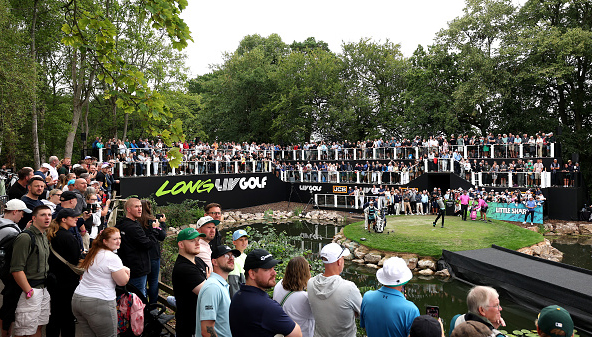
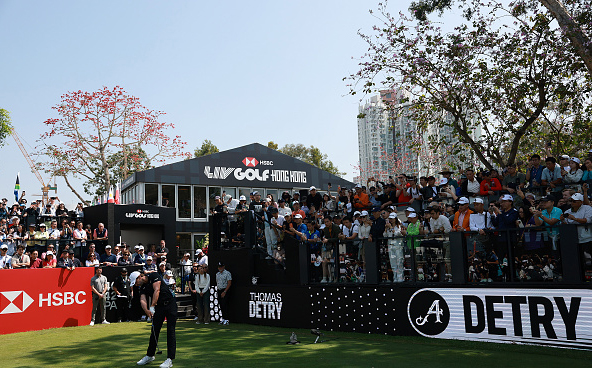
Even more impressive is the geographic reach. While the PGA Tour remains heavily USA-centric, LIV’s 2026 schedule reads like a travel brochure for golf’s future: Riyadh (Saudi Arabia), Adelaide (Australia), Hong Kong, Singapore, Johannesburg area (South Africa), Mexico City (Mexico), Busan (South Korea), Sotogrande at Real Club Valderrama (Spain), JCB Golf & Country Club (England), plus five U.S. stops — all in pro sports-crazed markets: New York/New Jersey, D.C., Detroit, New Orleans and Indianapolis.
This is not token internationalism. It is a truly global circuit that brings elite competition to regions the PGA Tour has historically ignored. Golf fans in Asia, the Middle East, Africa, and Oceania are witnessing live, high-stakes golf featuring major champions and rising stars in venues that showcase each destination’s unique character.
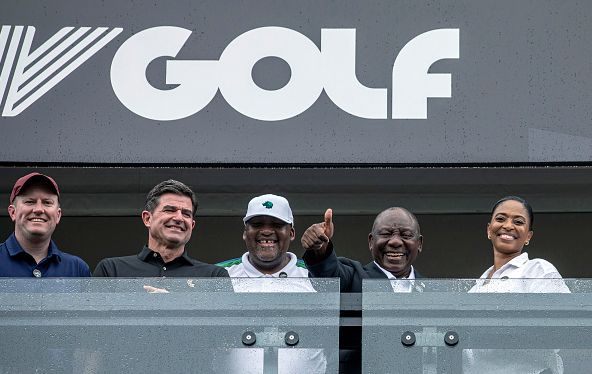
“I think this is more than golf. This is about our country,” said an emotional Gayton McKenzie, South Africa’s Minister of Sport, Art & Culture.
“What LIV Golf has done, they’ve showcased our country like nothing I’ve ever seen. I’m very emotional because this man right here, he believed in some minister that went to go see him and said, listen, you’ve got to bring this to South Africa.
“The good news I have, because everybody has been asking me, is that they’re coming back next year on the 22nd of April to the 25th of April.
“LIV Golf is coming back. We’ll have LIV Golf next year.”

A perfect illustration came on Sunday. Anyone who flipped between LIV Golf Mexico City (FS1) and the PGA Tour’s RBC Heritage (CBS) on split screen would have struggled to declare one event clearly more elite than the other.
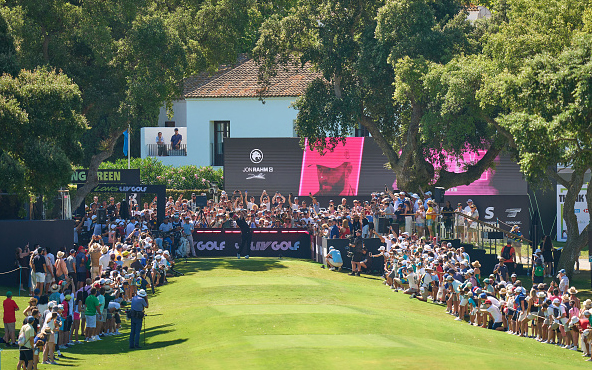
At Club de Golf Chapultepec in Mexico City, two-time major champion Jon Rahm delivered a commanding performance, closing with a bogey-free 7-under 64 to win by six shots at 21-under overall — his second individual victory of the season. Spaniards swept the podium (Rahm, alongside young guns David Puig, 24, and Josele Ballester, 22), while Rahm’s Legion XIII team also claimed the team title amid a passionate, packed house of Spanish-speaking fans in a vibrant international setting complete with high-end production and branding.

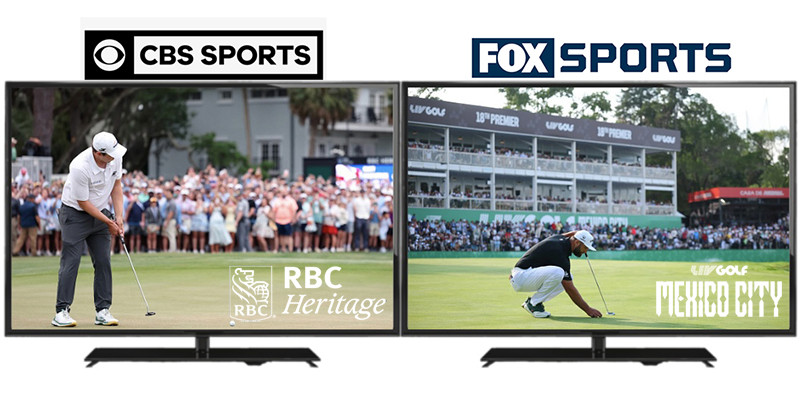
Meanwhile, at Harbour Town Golf Links in Hilton Head, South Carolina, 2022 U.S. Open champion Matt Fitzpatrick held off world No. 1 Scottie Scheffler in a dramatic playoff. Fitzpatrick, who entered the final round with a sizable lead, stumbled late with a bogey on the 72nd hole but answered with a clutch birdie on the first extra hole to secure his second RBC Heritage title and second PGA Tour win of the season.
It was a Sunday of high-end talent from Mexico City to Hilton Head: elite fields, passionate galleries, premium branding, and world-class golf delivered at the highest level on both sides of the border… and TV screens.
What’s wrong with that?
Recent reports have highlighted funding questions surrounding the Public Investment Fund’s (PIF) commitment, noting that excessive Saudi backing may not extend indefinitely, with some outlets even suggesting a mid-season shutdown as PIF evaluates broader strategic priorities.
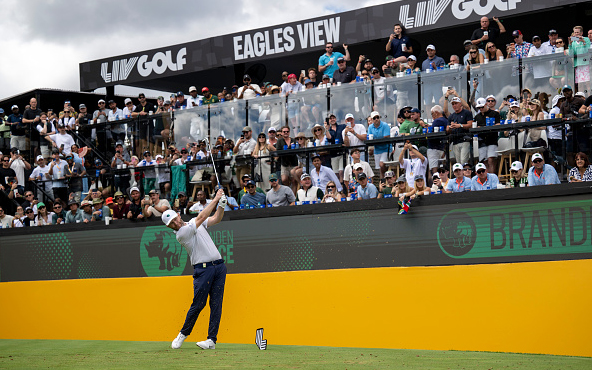
CEO O’Neil, who replaced Greg Norman in 2025, has been unequivocal: the 2026 season will proceed “as planned, uninterrupted and at full throttle,” with full funding secured through year-end.
“From a structural standpoint, this business will continue to evolve as it has over the last 12 months,” said O’Neil, during an interview from Mexico City. “The good news for us is we know how to put on a show. We know how to grow the game.”
He added, “Will there be a change in how we operate? Of course. I would have told you that last year and six months ago. We are looking to blend a version of LIV and the national opens — the great national opens around the world. We think they’re the most underappreciated, undermarketed, underdeveloped assets in golf, and the reason is it gets us on the ground to grow the game of golf.”
These developments do not diminish LIV’s accomplishments; if anything, they highlight the league’s remarkable resilience against relentless headwinds, including a media smear campaign usually reserved for national politics.
“You know, I’m not sure,” said O’Neil, when asked about the media’s relentless attacks. “I don’t spend a lot of time thinking about it.
“I’m disappointed with some of the coverage. I’ve never read — been in an industry that has more unnamed sources than this one. In fact, I was reading through some coverage this morning (Friday), and I couldn’t find one source on the record in all the articles that were written.”
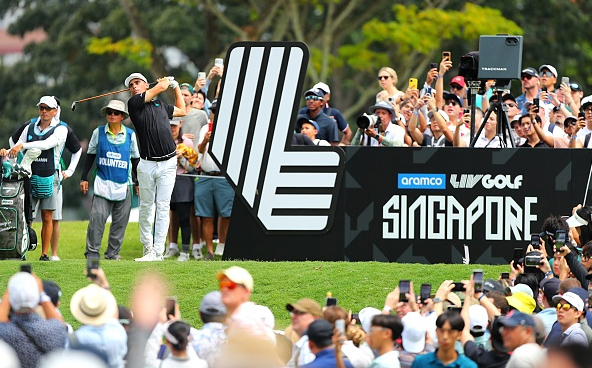
The chorus of criticism labeling Saudi investment as reckless “burning of billions” often misses a basic business reality. Startups, particularly those challenging deeply entrenched monopolies like the PGA Tour’s decades-old grip on professional golf, operate with high “burn rates” by design. The term exists for a reason: significant upfront capital is required to build infrastructure, attract top talent, secure venues, create an alternative ecosystem, and weather institutional resistance before sustainable revenue streams mature.
The strategy seems to be paying off: blue-chip sponsors like Salesforce, Rolex, and HSBC are signing on, while team-level partners include major golf brands and partner OEMs.
“From a business standpoint, we did almost a half a billion dollars in sponsorship last year with big brands like Rolex and HSBC, Aramco; these are global brands,” O’Neil continued. “I’m thinking we’re in a wonderful position.”


In less than four years, LIV has become the clear No. 2 tour in men’s professional golf. It trails only the PGA Tour in prestige, field talent, and cultural relevance. Despite disappointing results at this year’s Masters, its players consistently punch above their weight in majors, highlighted by two victories — the first modern majors won by a player who wasn’t a member of either the PGA Tour or European Tour.
And while its venues may not include the likes of Pebble Beach, TPC Sawgrass, or Riviera, many are undeniably bucket-list worthy — including Sentosa, Doral, and Valderrama. Most importantly, its willingness to venture where the game has never gone before has expanded golf’s global footprint in ways the old monopoly never even attempted.

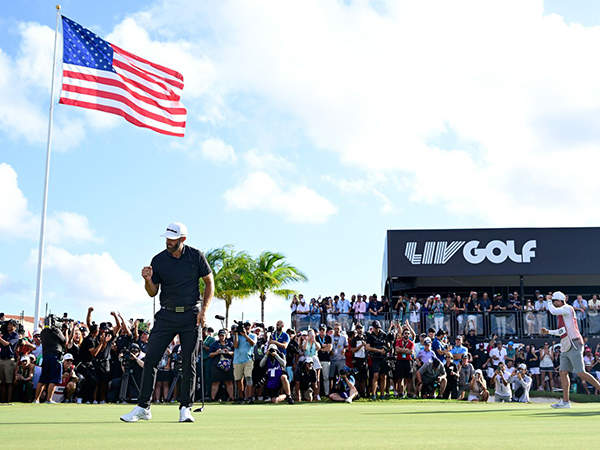
“I know there’s some people rooting against LIV Golf,” said O’Neil, when asked about the progress of the young league and its global strategy.
“I understand that, okay. But is golf better without LIV Golf? Should all the best events in the world be in the Continental U.S.? Is that right? Should we be targeting 60-year-old [American] men, or should we put some focus on the global game? Should we put some focus on this next generation of fans?”
A vibrant, competitive professional golf tour ecosystem benefits everyone: fans, players, and the sport itself.
The critics who predicted LIV’s swift collapse have already been proven wrong on its core trajectory. The entrenched powers who tried to strangle it at birth have instead watched it evolve into a legitimate, OWGR-recognized global force.

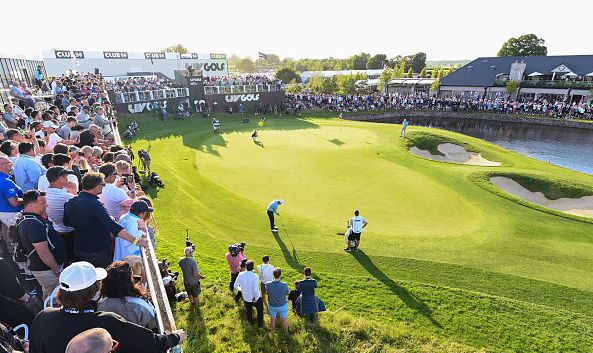
O’Neil added, “I’m American. I love the U.S. market. It’s the No. 1 TV market in the world, period, end of sentence, the No. 1 sponsorship market in the world, period, end of sentence. In golf, in sport.
“But long-term, do you want to bet on 340 million people or 7.5 billion people? That’s all I’m saying. That’s the only difference is I’m taking a 7.5 billion-person bet. That’s something we should be excited about because golf should be seen around the world with some of the biggest stars in the game, and that’s what we’re doing.”
LIV Golf has earned its seat at the table and placed its bet.


