



The Masters Tournament isn’t just one of golf’s four major championships, it’s a springtime rite of passage steeped in Southern hospitality, timeless elegance, and quirky traditions that feel like they could only happen below the Mason-Dixon line.
Founded in 1934 by Bobby Jones and Clifford Roberts on the site of a former nursery, Augusta National blends old-world graciousness with meticulous Southern detail.
Here are 18 historical factoids that capture its unique charm.
1. Pimento Cheese Sandwiches

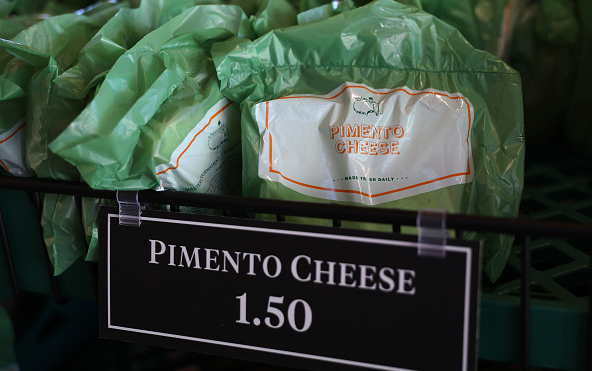
The humble pimento cheese sandwich — sharp cheddar, pimentos, and mayo on white bread, wrapped in green paper — has been a Masters staple since the late 1940s. Originally sold for a quarter by a local family, it evolved through caterers from Aiken, South Carolina, and remains an affordable $1.50 icon today. It’s pure Southern comfort food, beloved by patrons for generations.
2. The Champions Dinner


Since 1952 (at Ben Hogan’s suggestion), the reigning champion hosts an exclusive dinner for past winners. The menu reflects the host’s tastes and heritage — think Southern favorites or international flair — creating an intimate gathering of golf royalty in the Augusta National clubhouse. It’s a tradition of Southern-style hospitality among legends.
3. The Par 3 Contest

Held on Wednesday before the tournament, the Par 3 Contest turns the nine-hole par-3 course into a relaxed, joyful affair where players’ kids and family members often caddie. It’s a rare lighthearted moment amid the pressure, showcasing the tournament’s welcoming, multigenerational Southern family vibe.
4. Amen Corner
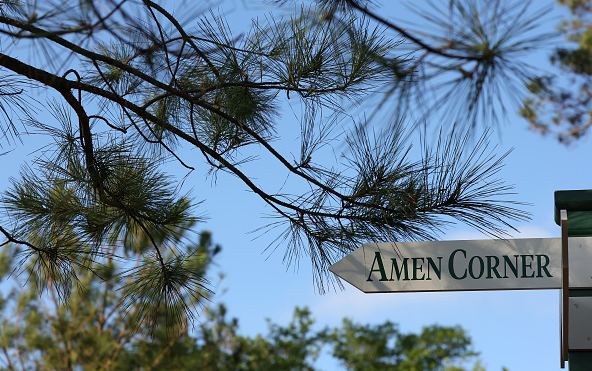
The dramatic stretch of holes 11, 12, and 13 earned its name in 1958 from writer Herbert Warren Wind, who borrowed the term from a 1930s jazz song evoking fervent “Amen!” shouts in a church setting. In the heart of the Bible Belt — a nickname for the devout Southern states — this reverent, almost prayer-like moniker perfectly captures the high-drama moments where dreams are made or shattered amid Rae’s Creek and blooming azaleas.
5. Rae’s Creek
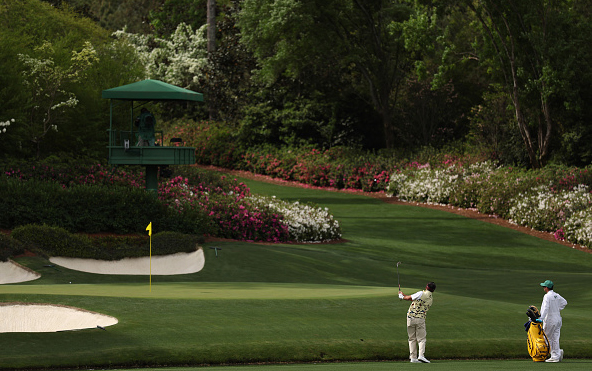
This meandering waterway, named after colonial-era property owner John Rae, guards the 11th green, fronts the 12th, and flanks the 13th. An Irish trader who settled in Augusta in 1734, Rae built a fortress-like house that served as the farthest outpost up the Savannah River from Fort Augusta. It kept local residents safe during Indian attacks when the fort was out of reach, adding a layer of rugged frontier history to the creek’s modern role as a beautiful yet perilous hazard that embodies the unpredictable charm of Southern landscapes.
6. Hogan’s Bridge

The stone bridge over Rae’s Creek leading to the 12th green was dedicated in 1958 to honor Ben Hogan’s record-setting 1953 victory (274 total, with a sizzling 66 in the third round). A plaque commemorates the achievement, blending respect for golf history with the graceful architecture common in the South.
7. Green Jacket Ceremony


Since 1949, the winner receives a coveted green jacket (first awarded to Sam Snead). The prior year’s champion helps the new winner slip it on in a private ceremony, followed by a public presentation. It’s a symbol of belonging and Southern gentility that winners treasure for life.
8. Magnolia Lane
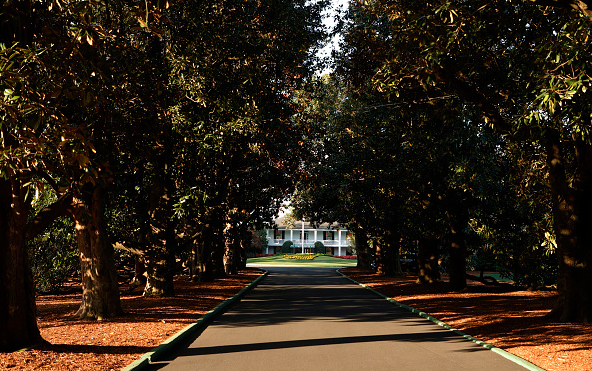
The iconic entrance drive, lined with towering magnolia trees planted in the 1850s on the old Fruitland Nurseries property, welcomes players and patrons. Bobby Jones called the approach “charming,” and driving down this tree-canopied lane feels like entering a grand Southern estate. Magnolias are closely associated with the Southern United States; in the arts, they symbolize both beauty and resilience — qualities that perfectly embody the grace and enduring spirit of the Masters itself.
9. Honorary Starters


Since 1963, golf legends have hit ceremonial opening tee shots on Thursday morning to kick off the tournament. Current starters like Jack Nicklaus, Gary Player, and Tom Watson carry on the tradition with dignity and warmth, evoking the respectful, generational courtesy of the Old South.
10. Botanical Hole Names


Every hole at Augusta National bears the name of a plant or flower found on it: Tea Olive (1), Pink Dogwood (2), Azalea (13), Golden Bell (12), and more. This botanical naming reflects the course’s nursery origins and the South’s deep love of gardens and blooming spring landscapes.
11. “Shot Heard ‘Round the World”

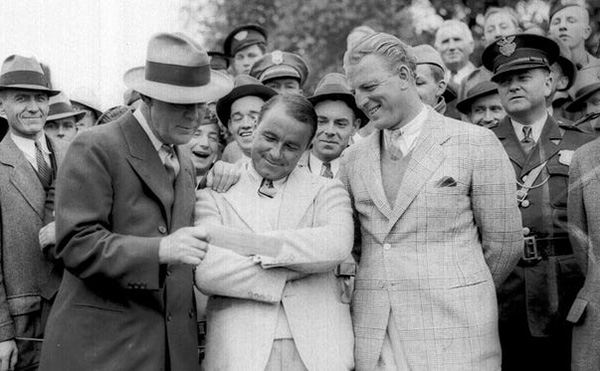
In 1935, Gene Sarazen holed a 235-yard 4-wood for a double eagle on the 15th hole (Firethorn), tying the tournament and propelling him to victory in the playoff. The dramatic shot — often likened to a perfectly aimed rifle blast in a region where the Southern states have long maintained a deep cultural relationship with guns, rooted in hunting heritage, frontier self-reliance, and personal protection — helped put the fledgling Masters “in business,” adding legendary flair to its Southern story.
12. White Caddie Jumpsuits


Since the late 1940s, all caddies at the Masters have worn crisp white jumpsuits (often called boiler suits or overalls) paired with green caps bearing the player’s number. Co-founder Clifford Roberts introduced the uniform to make caddies stand out clearly against the lush green landscape and to give them a neat, professional appearance. What began as a practical touch of Southern order and hospitality has become one of the tournament’s most visually iconic traditions — clean, uniform, and instantly recognizable.
13. Player Invitations

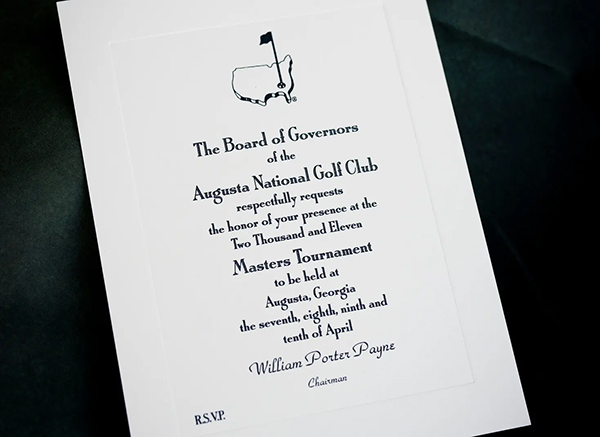
Unlike other majors with qualifying paths, the Masters extends personal invitations to its field. This old-fashioned, handwritten-feel approach underscores the club’s emphasis on hospitality and exclusivity, much like a coveted Southern social invitation.
14. The Crow’s Nest
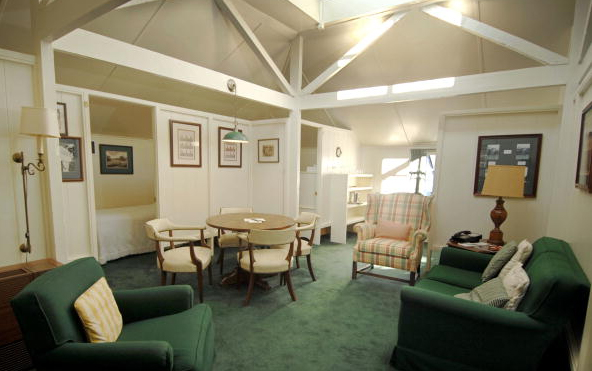
Tucked away on the third floor of the historic Augusta National clubhouse (built in 1854 as one of the first concrete structures in the South), the Crow’s Nest is a cozy, dorm-style room reserved exclusively for amateur competitors. With its cupola-topped design, bookshelves lined with golf history, and photos of past champions, it offers a rare chance for young amateurs to live on the grounds during tournament week. Many legends, including Jack Nicklaus and Tiger Woods, stayed here as amateurs before winning the Masters, embodying Bobby Jones’ deep respect for amateur golf and the club’s gracious Southern hospitality toward the game’s future stars.
15. Iconic White Scoreboards


Hand-updated on towering white structures (never electronic), the scoreboards create anticipation as patrons watch numbers change manually. This deliberate, old-school method feels like a nod to simpler times and Southern attention to detail and tradition.
16. Carolina White Sand


The pristine bunkers are filled with bright white sand imported from South Carolina beaches. It’s a small but telling detail that keeps the course looking immaculate and ties Augusta National to regional Southern resources.
17. “Patrons”
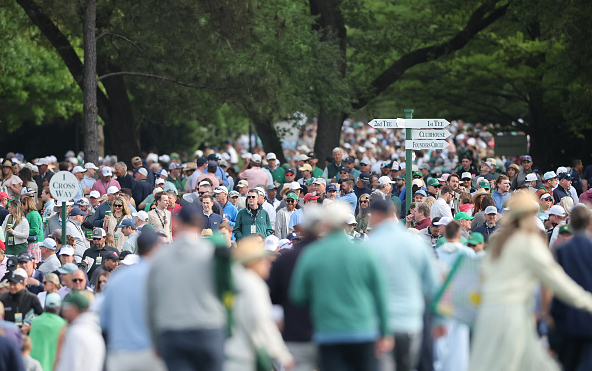
Augusta National famously refers to spectators as “patrons.” The term carries a polite, respectful Southern connotation of refined guests rather than rowdy crowds, reinforced by strict etiquette rules that maintain a genteel atmosphere.
18. The Color Green


From the lush fairways and greens to the jackets (Pantone 342), scoreboards, pimento cheese wrappers, and even the overall aesthetic, green dominates. It symbolizes renewal in the Southern spring, the club’s meticulous landscaping, and the enduring prestige of the green jacket itself.
Bonus: Masters’ Gnomes
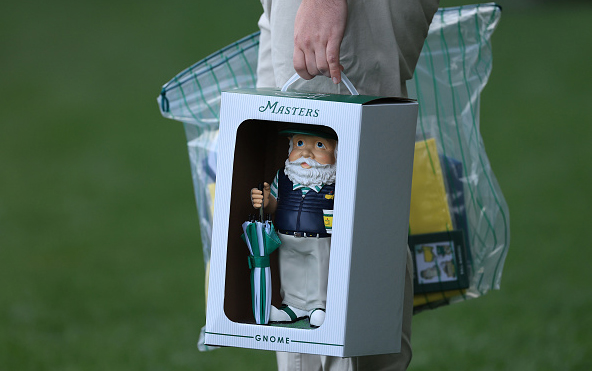
Available exclusively in the Augusta National Pro Shop (and notoriously difficult to snag), the Masters garden gnomes have become one of the most sought-after pieces of tournament merchandise in recent years. These whimsical figurines—often dressed in a tiny green jacket—sell out daily despite limited daily stock, with long lines forming before the shop even opens. Gnomes hold a special place in Southern culture, whether perched proudly in the gardens of a classic old South mansion or adding a touch of quirky charm to a trailer park lawn. At the Masters, they blend that beloved regional fondness with the tournament’s refined elegance, turning a simple lawn ornament into a cherished, collectible symbol of springtime in Augusta.
These factoids (plus one delightful bonus) highlight why the Masters feels less like a sporting event and more like a cherished Southern tradition—polite, beautiful, dramatic, and deeply rooted in history, from colonial frontier resilience to modern springtime elegance.
Whether you’re enjoying a pimento cheese sandwich under the magnolias, spotting the white jumpsuits gliding across the fairways, imagining quiet nights in the Crow’s Nest, or hunting for a gnome to take home, the charm is undeniable. It really is a tournament unlike any other, where golf, heritage, and hospitality converge in perfect harmony every April.


