


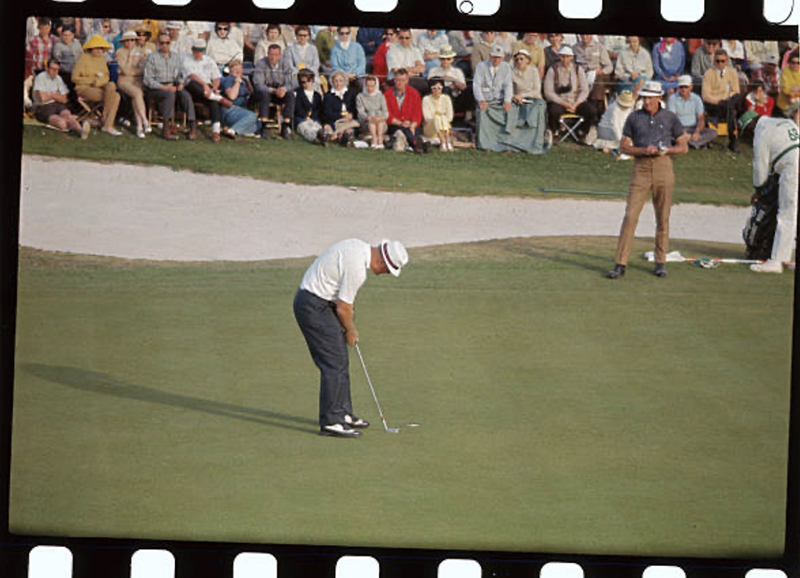
Augusta, Ga. — Sixty years ago this week, the azaleas blazed pink and white against the emerald fairways of Augusta National as 26-year-old Jack Nicklaus, the defending champion, battled through heartbreak and high drama to claim his third green jacket.
It was April 11, 1966. On a tension-filled Monday playoff, the man they called the Golden Bear roared back, becoming the first player ever to successfully defend his Masters title.

The week had begun under a shadow. Just hours before his opening tee time, Nicklaus received devastating news: four close friends from his Ohio hometown — Bob Barton and his wife Linda, along with Jim and Jeretta Long — had perished in a private plane crash in Tennessee while en route to watch him play.
The grief was raw, yet Nicklaus stepped onto the first tee and delivered a crisp opening-round 68 that gave him a three-shot lead. He ground out a 76 on Friday, steadied with a 72 on Saturday, and posted another even-par 72 on Sunday to finish regulation at even-par 288 — tied with Tommy Jacobs and Gay Brewer.

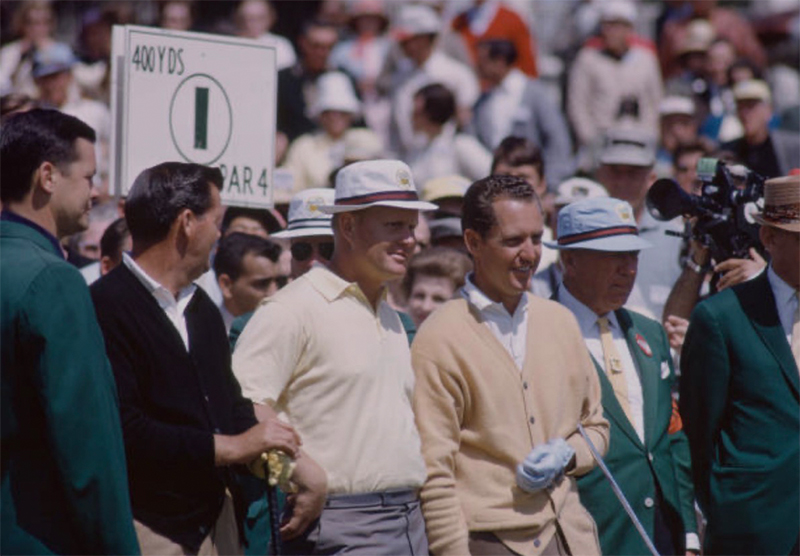
The 18-hole Monday playoff unfolded like a heavyweight prizefight on grass. Nicklaus carded a composed 2-under 70. Jacobs managed a 72, while Brewer faded with a 78.
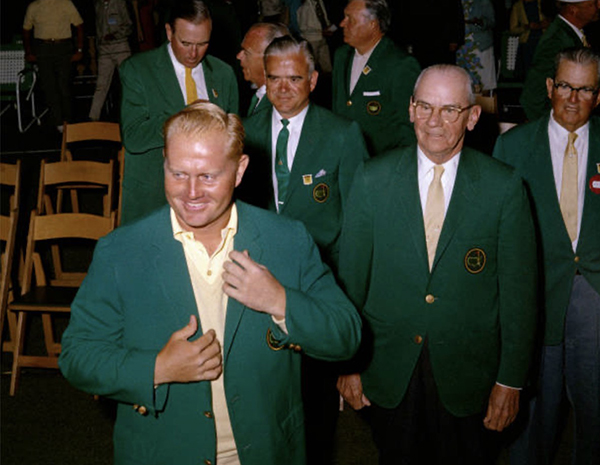
On the back nine, Nicklaus seized control with a crucial birdie on the 11th after Jacobs bogeyed the 10th. From there, the Bear matched his rival shot for shot, sealing the victory with steady precision. He slipped the green jacket over his own broad shoulders, becoming the first defending champion to do so himself.
1966: America in Full Technicolor

While Nicklaus dueled under the Georgia sun, the nation pulsed with electric change. Living rooms flickered with the campy brilliance of the new Batman TV series, where Adam West’s Caped Crusader delivered “Holy hole-in-one!” exclamations amid colorful POW! graphics.
Later that year, Star Trek would launch into orbit, its optimistic vision of the future contrasting sharply with the era’s turbulence.
The airwaves crackled with innovation. The Beatles unleashed Revolver that summer, its psychedelic experiments and haunting tracks like “Eleanor Rigby” spinning alongside the Beach Boys’ lush masterpiece Pet Sounds and the irresistible “Good Vibrations.”

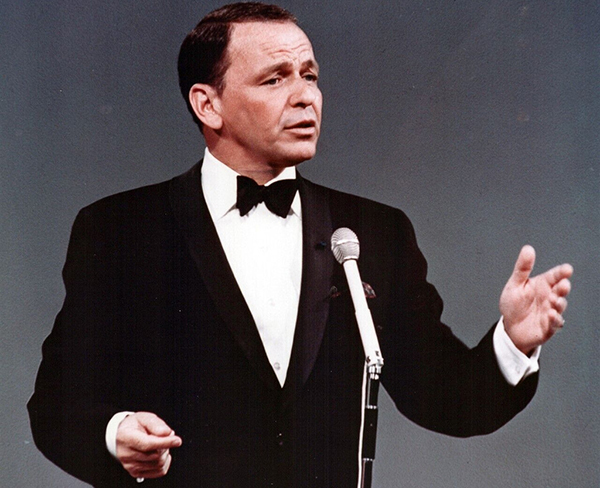
Bob Dylan dropped the groundbreaking double album Blonde on Blonde, while Frank Sinatra’s velvety “Strangers in the Night” filled smoky lounges and car radios. Young Americans cruised in shiny new Ford Mustangs or admired the sleek Chevrolet Camaro just hitting showrooms.
Fashion exploded in bold rebellion. Twiggy’s doe-eyed, waifish look dominated magazine covers, her mini-skirts, geometric prints, fishnet stockings, and go-go boots capturing the Mod spirit blowing in from London.

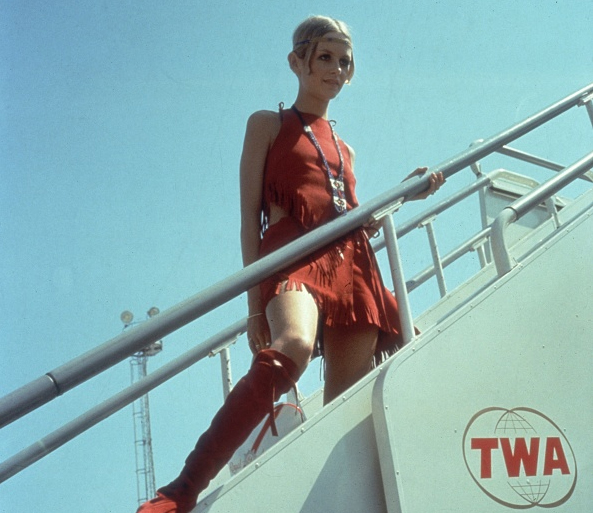
Men ditched stiff suits for slim-cut trousers, bright floral ties, and turtlenecks, while surf culture, fueled by the Beach Boys, pushed board shorts, bikinis, and sun-bleached hair into everyday style.
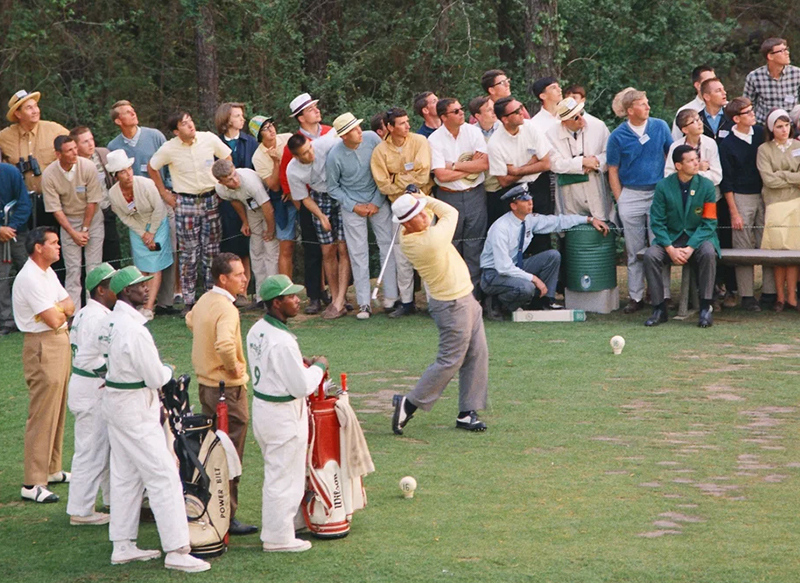
At Augusta’s galleries, traditional madras jackets mingled with the first breezes of youthful energy and color.
Kitchens reflected the convenience craze: Doritos tortilla chips debuted nationwide, Pop-Tarts flew off grocery shelves, and fondue pots bubbled at dinner parties with melted cheese and bread cubes.
Families still warmed up TV dinners while watching evening news reports of escalating U.S. involvement in Vietnam, where troop numbers swelled dramatically under President Lyndon B. Johnson.

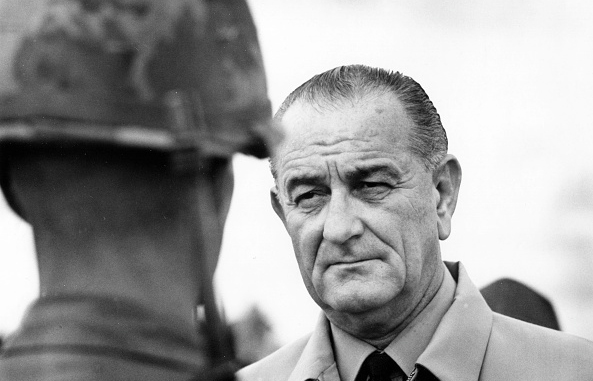
Civil-rights momentum continued with marches and protests, Muhammad Ali commanded the boxing ring with his unmatched charisma, and the space race accelerated as NASA inched closer to the moon.
Equipment Played: 1966 Masters
At Augusta National that April, Nicklaus and his rivals relied on classic gear of the day:

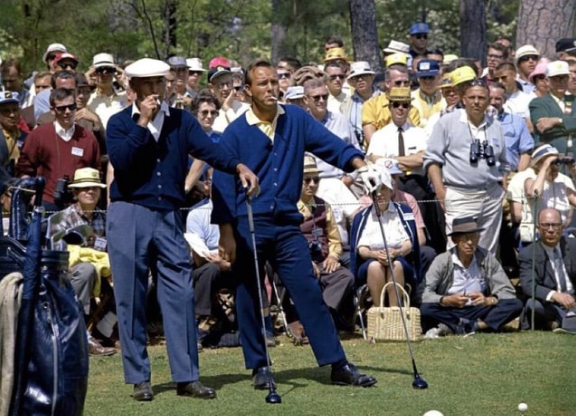
- Irons: Mostly forged carbon-steel blades from brands like Wilson, MacGregor, Spalding, Hogan, and PowerBilt. These offered pure feel for skilled players but punished mishits with minimal forgiveness. Spalding’s Executive irons, introduced around this time, represented a popular forged option aimed at better players.
- Woods: Traditional persimmon heads (dense, honey-colored wood) with steel shafts. Drivers and fairway woods demanded precise contact; off-center hits lost significant distance and accuracy. No metal woods existed yet—those wouldn’t arrive until TaylorMade’s Pittsburgh Persimmon in the late 1970s.
- Golf Balls: Wound balata balls with liquid centers, covered in a soft, natural rubber-like material. They offered excellent spin and control around the greens but were less durable and flew shorter than modern balls. Manufacturing still involved precise hand or machine winding, as seen in period factory footage.
- Shafts and Grips: Steel shafts (by then standard since the 1930s) provided consistency over the old hickory. A 1966 patent even covered a new grip design with finger grooves for better hold, reflecting ongoing tweaks for feel and control.
Early experiments with fiberglass shafts and other synthetics appeared in the 1960s but gained little traction due to inconsistent performance; steel remained king.
1966: Jack’s Legacy Forged

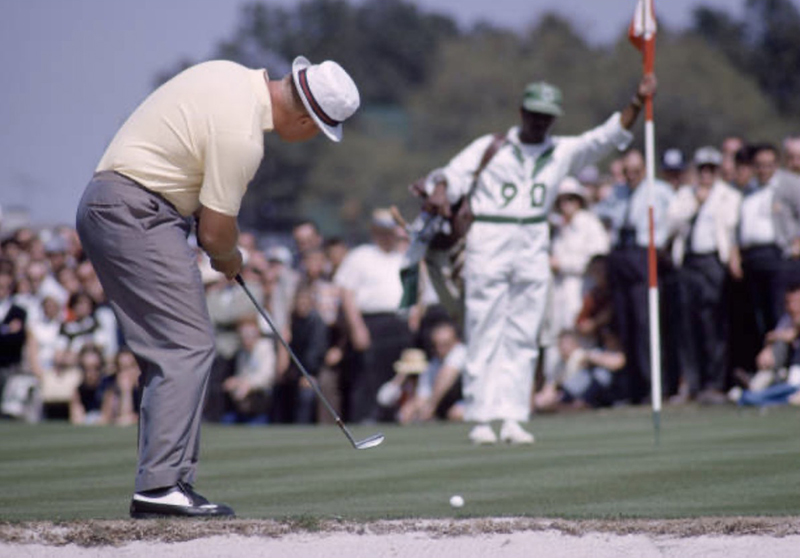
Nicklaus’ 1966 triumph — his fifth major title — proved that greatness often emerges not in flawless conditions, but amid adversity. The course played tougher than the record-shattering 1965 edition, demanding patience and mental steel. The Bear provided both, channeling personal sorrow into quiet determination. As his wife Barbara later reflected, “Playing through that sadness, that’s what he did.”
Six decades later, as the 2026 Masters unfolds once more beneath those same towering pines, Nicklaus’ achievement shines brighter than ever.
Now 86, the Golden Bear remains golf’s ultimate benchmark: 18 major victories, an unmatched record of resilience, and a reminder that true champions rise when the world feels heaviest.

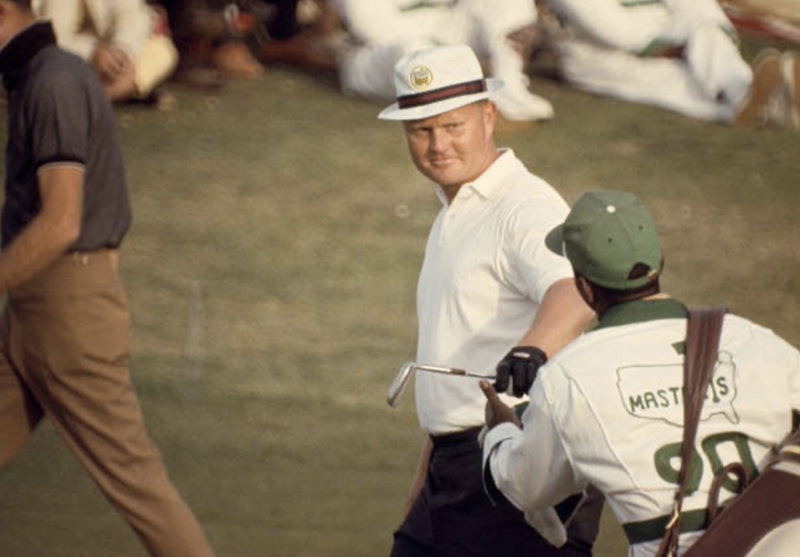
Here’s to 1966: the year the Golden Bear defended his crown through tears and triumph, while America hurtled forward in a swirl of music, fashion, protest, and possibility. The echoes still resonate on every back nine, in every pressure-packed moment, and in every green jacket ceremony yet to come.


