


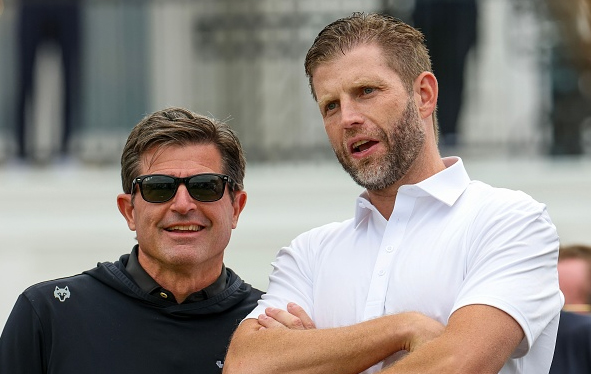
While mainstream golf outlets have spent months painting LIV Golf as a sinking ship — PIF funding evaporating after this season, players quietly eyeing DP World Tour cards, bankruptcy whispers, and an uncertain future — a different story is circulating among those closer to the action. Multiple sources familiar with the process indicate that LIV is on the verge of announcing a significant new investor or investor group that would lock in operations for 2027 and set the foundation for a self-sustaining model well beyond.
This is not the desperate scramble the headlines suggest. It is the calculated next phase of a league that has already forced structural change across professional golf, grown commercial revenue, and built a global footprint the traditional tours spent decades ignoring.
The Pitch That Is Landing
CEO Scott O’Neil and the independent board (bolstered by restructuring veterans Gene Davis and Jon Zinman) have been in market seeking roughly $250–350 million. The process, advised by Ducera Partners, has drawn inbound interest from private-equity firms eyeing a full take of the capital raise, family offices comfortable in the $25–50 million range, high-net-worth individuals, professional sports team owners, and international players, particularly from Australia — a market where LIV events have drawn massive crowds.
O’Neil has described the response as positive and the conversations as frequent, averaging multiple investor calls daily at peak periods. The structure under discussion is flexible: one anchor partner writing a large check, or a diversified consortium that mirrors LIV’s international player base and event calendar.
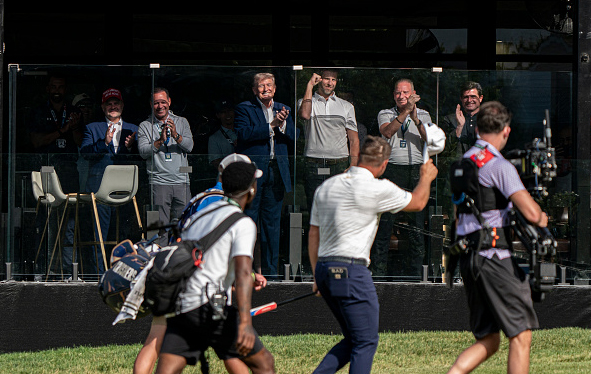
Sources say term sheets and diligence have advanced far enough that an announcement could come in the near term, potentially around LIV Golf NY at Trump National Bedminster.
This stands in stark contrast to the prevailing media frame of a league “on life support” or “the last days.” Those narratives lean heavily on the end of pure PIF equity funding and selective player anxiety. They underplay the commercial progress already recorded: sponsorship revenue growth, ticket-sales jumps in key markets, teams moving toward profitability, and a product that has proven sticky with fans outside the U.S. television window that traditional media prioritizes.
LIV 2.0: Leaner, Player-Owned, Path to Profit
The investment thesis being sold is not a continuation of the original high-burn model. It is a deliberate redesign often labeled “LIV 2.0.” Plans discussed with potential partners include a streamlined schedule, player equity stakes in the league or franchises, continued team ownership sales, and a realistic runway to profitability measured in a few years rather than a decade.

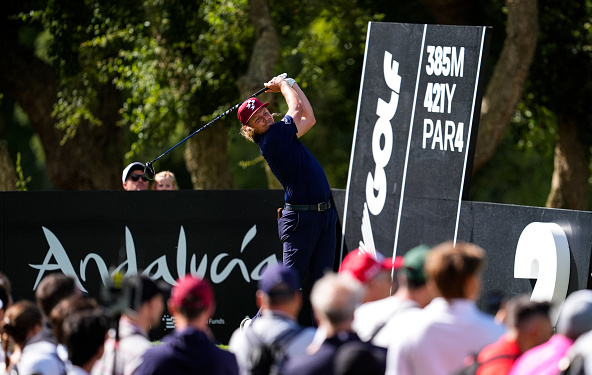
Guaranteed contracts that defined the launch era would be recalibrated. Media rights and sponsorship upside would be more tightly aligned with performance and global reach. The league has already demonstrated that certain international stops generate strong attendance and local commercial heat — data points investors are said to find compelling when weighed against the saturated U.S. schedule of the established tours.
League sources continue to stress high inbound interest even as public reporting focuses on player inquiries about European pathways. Captains’ meetings have included assurances of investor engagement. Star names have participated in pitch processes. The public noise about departures and uncertainty has not, according to those involved, derailed the capital conversations.
Why the Mainstream Gets It Wrong
The dominant coverage has treated the PIF’s strategic pivot — ending open-ended funding after 2026 in favor of other priorities — as an existential death sentence. That reading ignores how many sports properties transition from founder capital to institutional or multi-partner ownership. It also discounts the asset value already created: 13 franchises, a distinctive team format, a younger and more international audience in certain markets, and a disruption that compelled the PGA Tour to raise its own outside capital and increase purses.

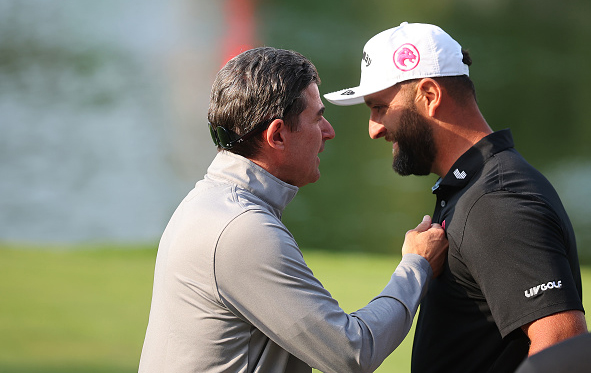
O’Neil’s public comments have consistently projected urgency paired with confidence: the pool of interested parties is real, the management team is energized, and the goal is a disciplined, sustainable business rather than perpetual subsidy. Private-equity participants understand longer hold periods; family offices and sports owners see the cultural and commercial upside of a global team golf product.
If the rumored announcement materializes, it would mark the moment LIV stops being defined primarily by its original Saudi backing and starts being evaluated as a standalone sports property with diversified ownership. That outcome would be the opposite of the collapse many outlets have previewed for months.
The remaining 2026 events will still unfold under the existing structure. Behind the scenes, however, the more consequential competition is already nearing its finish. Sources close to the process believe a deal securing 2027 and beyond is close enough that the loudest predictions of LIV’s demise may soon look like yesterday’s conventional wisdom, loudly wrong.


