






STERLING, Virginia — It was April 30, 2026, when the hammer fell. Saudi Arabia’s Public Investment Fund (PIF), the force that had poured more than $5 billion into LIV Golf since its 2022 launch, issued a terse statement: Funding would end after the 2026 season. The “substantial investment required” no longer aligned with their strategy.
LIV CEO Scott O’Neil announced a new independent board, a push for fresh investors, and a “diversified, multi-partner model.” Ticket sales were up. Sponsorship interest had grown. Broadcast reach was expanding. But the golf establishment celebrated it as checkmate.
What rankled most wasn’t the strategic shift — funds evolve. It was the abrupt, clinical manner of the exit, executed with all the warmth of a midnight email.
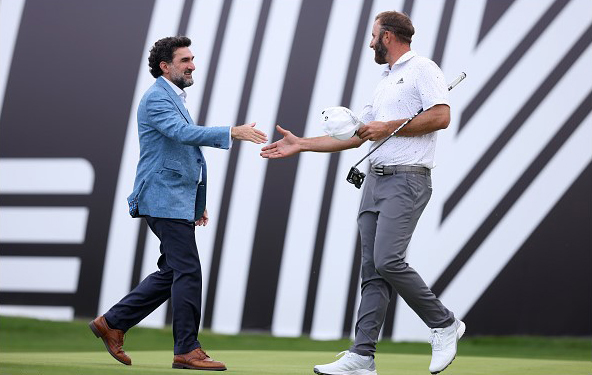
Yasir Al-Rumayyan, the PIF governor who had personally championed LIV from day one, had spent four years cultivating what felt like genuine, personal relationships with the league’s biggest stars. Players affectionately referred to him as “H.E.” (His Excellency), a nickname that carried real warmth and respect. He was their biggest ally inside the Saudi machine: the passionate golf obsessive who sat down with Phil Mickelson early on, teed off alongside him in LIV pro-ams, and promised a new era of player empowerment and team loyalty. He personally recruited top talent, approved every major contract, and gave direct assurances of long-term commitment.
Bryson DeChambeau publicly defended him as a “staunch supporter of golf globally,” while Jon Rahm and others saw him as the steady hand guiding the disruption. Yasir wasn’t some distant check-writer; he was in the room, on the course, joking with captains and framing LIV as “his baby” — a shared vision he had sold them on through the backlash, the lawsuits, and the fractured friendships.
Then, after blowing up the entire golf ecosystem — igniting a civil war with the PGA Tour, triggering endless media warfare, and ruining his own standing with the traditional powers — Yasir pulled the plug in the dead of night with minimal warning. The same players who had trusted his word, bet their careers and reputations on his promises, and weathered the storm at his side were left scrambling. The man who had positioned himself as their committed partner now left them, and its new CEO, holding the bag.