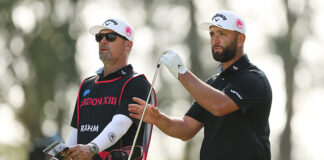









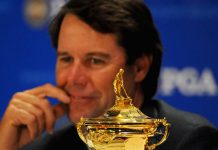

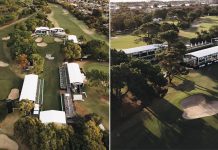


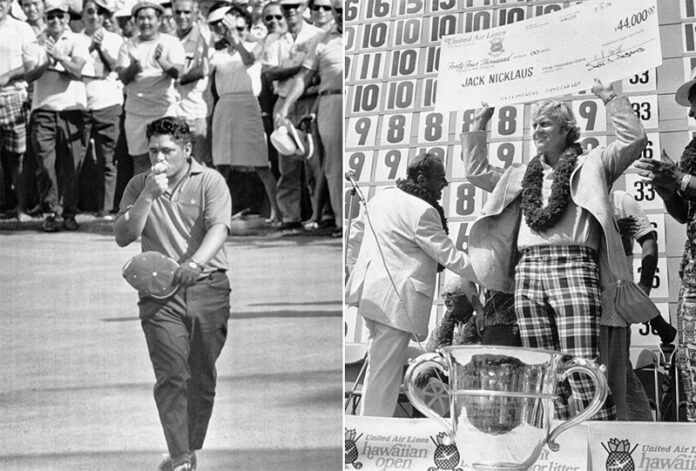
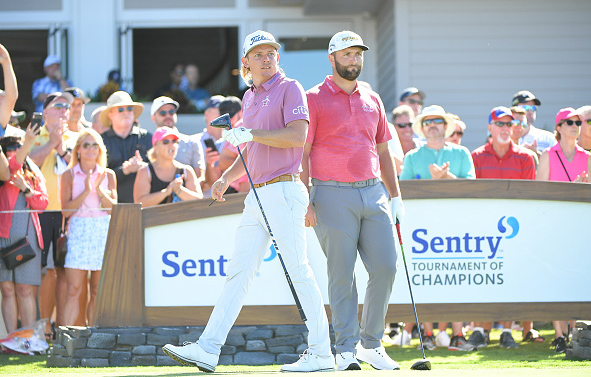
In a move that should have rocked the sports world, the PGA Tour quietly confirmed this week that it is axing its entire Hawaii swing starting in 2027. For the first time since 1965 — nearly six decades — the Sony Open at Waialae Country Club in Honolulu and The Sentry at Kapalua on Maui will vanish from the schedule. No more season-opening paradise golf for millions of winter-weary fans. No more $150 million annual economic lifeline for the islands.
Yet if you scan the mainstream golf media, you’d think this was a minor scheduling footnote. “Revamped calendar,” “broader transformation,” “logistical challenges,” “business as usual.” Crickets on the human cost or any of the financials behind the decision.
The state of Hawaii and Honolulu locals? They’re furious, and rightly so. They were kept completely in the dark until the leaks and announcements hit.
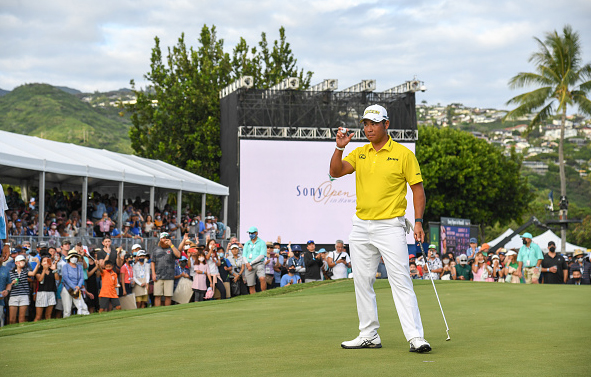
“This is a major loss for Hawaii,” said Keith Vieira, a board member for the Friends of Hawaii Charities.
The PGA Tour is the main fundraiser of the Friends of Hawaii Charities, which helps keep dozens of nonprofits stay afloat every year.
“A lot of these charities are very small charities who don’t really have the size or ability to do the fundraising necessary to survive,” Vieira said. “I would say it probably averages a million to $2 million a year.”
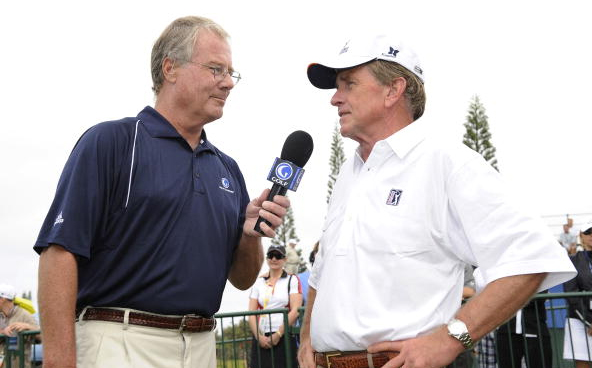
Longtime Hawaii golf ambassador and broadcaster Mark Rolfing captured the mood perfectly: “I’m sort of half angry and half disappointed. I don’t quite understand why you would make an announcement as to what you weren’t gonna do, without telling everybody what you were gonna do.”
Players echoed the same shock and sadness.
“Unfortunately, I think that’s just kind of maybe part of the business,” said Max McGreevy, ahead of the Zurich Classic. “Obviously Sony’s a great event to start the year out in Hawaii, it’s obviously awesome but there’s some changes that are gonna have to be made. You know hopefully we can still keep it as a Champions Tour event or something.”
Hank Lebioda added, “Yeah, it’s a bummer. I know the work Brian’s (Rolapp, CEO) trying to do for our season next year moving forward is in the best interest of us players. I think the difficulties w Maui and just having a one-off event this year I don’t think it worked out the way they were hoping it would, so its a bummer.
“Weve been going to Waialae Country Club for something like 40, 45 years (since 1965, 60 years), so it’s a bummer.”
This isn’t some unavoidable act of God. It’s a calculated corporate gut-punch driven by the Tour’s new private-equity overlords demanding a fatter return on investment (ROI). After years of massive financial losses — exacerbated by the nonprofit-to-for-profit shift and the Strategic Sports Group (SSG) pouring in $1.5 billion for a roughly 12% stake in PGA Tour Enterprises (with another $1.5 billion possibly on the table by early 2027) — the suits are enforcing a “scarcity” model.
Fewer events. Higher prestige. Only the splashiest stops in major sports markets where TV ratings, sponsorships, and logistics deliver maximum bang for the buck.
Hawaii, with its remote location, water woes (which already killed the 2026 Sentry), tribe politics, and “middle-of-the-Pacific” inconvenience, simply didn’t make the cut.
Never mind that Waialae and Kapalua delivered some of the most breathtaking, fan-favorite broadcasts in golf. Never mind the tourism windfall — $100 million from the Sony Open alone, plus $50 million from The Sentry — that propped up hotels, restaurants, and local charities during the slow winter season.

CEO Brian Rolapp and the future competitions committee (chaired by Tiger Woods) have been preaching “simplicity, scarcity, and parity” for months. Translation: Cut the fat, concentrate on big-city draws, and make every remaining event feel exclusive.
Private equity doesn’t invest for nostalgia or scenic beauty — it invests for scalable profits. Hawaii’s iconic swing, with its logistical headaches and smaller media footprint, was always going to be collateral damage in that spreadsheet-driven worldview.
Here comes the cost cutting exercise from Private Equity funding. Next up you’ll tell us all something silly like the PGA Tour are going to lay off 500 members of staff 🤷🏼♂️
— Ian Poulter (@IanJamesPoulter) April 20, 2026
The silence from much of the golf press is telling — and damning. While outlets dutifully report the “schedule revamp,” few are calling out the obvious: This is the Tour turning its back on one of its most loyal and picturesque homes to chase Wall Street metrics. Hawaii didn’t ask for this fight. The state wasn’t consulted in any meaningful way. Locals woke up to the news like everyone else, watching a 60-year tradition evaporate overnight.
“Golf is not just about leaderboards. It is about feeling, about place, and about memories,” wrote PGA Pro Brendan Elliott in Athlon Sports.
“Hawaii gave the PGA Tour all three.
“When a sport loses places that help shape its rhythm, it loses more than just a spot on the schedule or a travel expense. It loses part of what makes it unique.
“That might sound dramatic, but fans can feel the difference. This change feels like a real loss.”
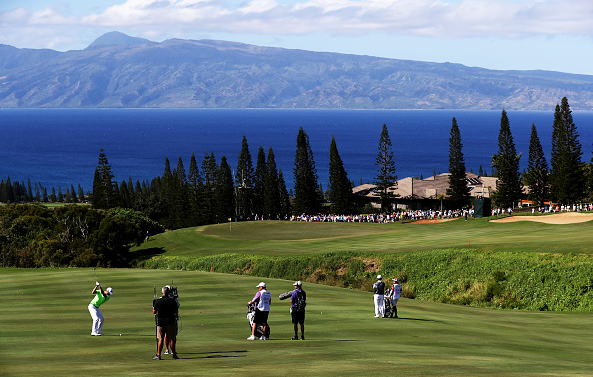
It is a loss. It’s also greed masquerading as strategy. The PGA Tour spent decades building its brand on tradition, accessibility, and global appeal — qualities that made Hawaii a crown jewel. Now, under private-equity pressure, it’s shrinking into a streamlined, big-market machine.
If this is the new normal, what’s next? Ditching other smaller-market gems when the next ROI spreadsheet says so?
Hawaii deserved better. Golf fans deserved better. And the media that covers this sport should be ashamed for treating a cultural and economic gut-punch as just another Tuesday press release.
Aloha, PGA Tour — and good luck explaining this one to the locals who kept your events alive for six decades.